Cave beetles
Introducing beetle power.
With over 400,000 described species about a quarter of animals on planet Earth today are beetles and they live in a wide range of habitats including the dark world of caves.
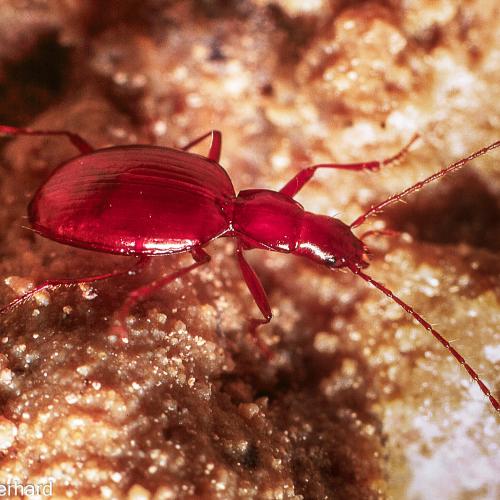
Many species of beetles can be found in Australian caves and about 25 of these are troglobitic, meaning that they are specialised for underground life and not found above ground. Most troglobitic beetles in Australia are short-range endemics, typically restricted to a single cave or karst system. Tasmania has the richest cave beetle fauna in Australia, with around 17 described species, and several more known but not yet described.
The other troglobitic Australian cave beetle species are known from Victoria, New South Wales, South Australia and the Nullarbor karst (South Australia–Western Australia).
Troglobitic beetles are relicts which were isolated underground when conditions on the surface changed over millennia, either increasing aridity or glaciation, which caused the loss or reduction of the beetle ancestor’s moist forest-floor habitat.
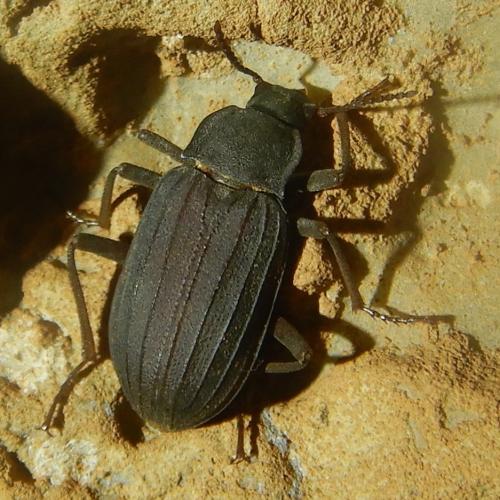
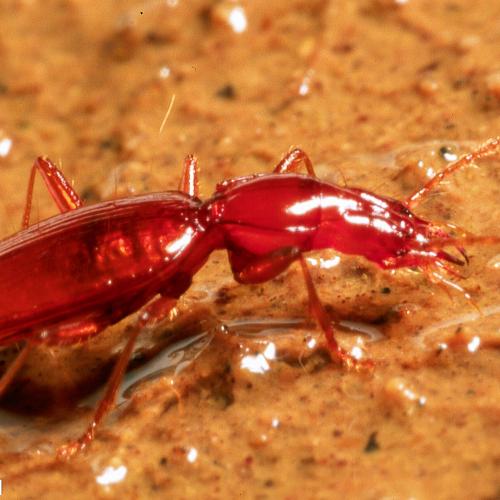
Not all cave beetles are troglobitic.
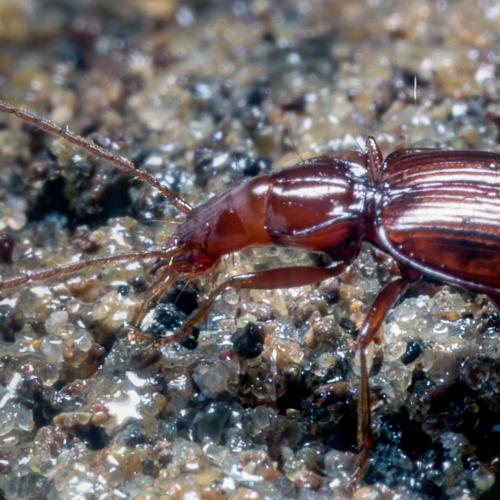
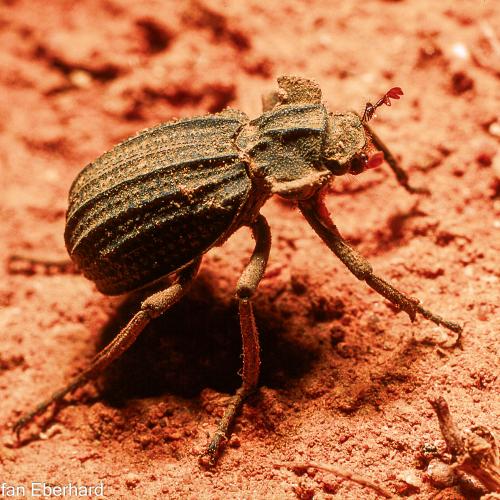
There are numerous other beetles living in caves which are not troglobites but are troglophiles (the term for cave animals that can also be found above ground) and/or guanophiles (the term for cave animals that live and reproduce within guano piles—the mounds of bat excrement that build up in caves).
The science of biospeleology has its origins with a troglobitic cave beetle.
While the first documentation of a cave animal dates to 1689, the first formal study of a cave animal was on a troglobitic blind cave beetle found in 1831 in Postojna Cave, in what is now south-western Slovenia, and described in a research paper in 1832. This description is now recognised as the commencement of biospeleology as a scientific discipline.
The beetle was named Leptodirus hochenwartii and its common name is the Slender-necked Beetle.
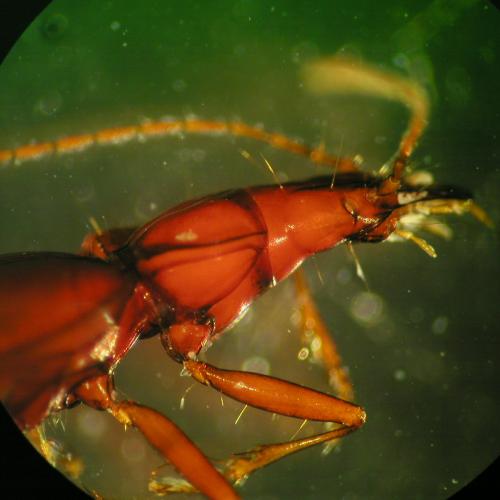
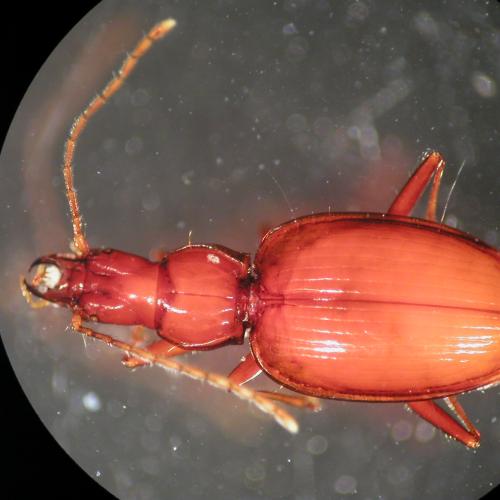
There’s a whole world of cave beetles.
As you can see from this brief introduction, there are many beetles that live in caves and other underground habitats in Australia. And this diversity of cave beetles is repeated around the world.
There’s a large range of beetles in Australian caves!
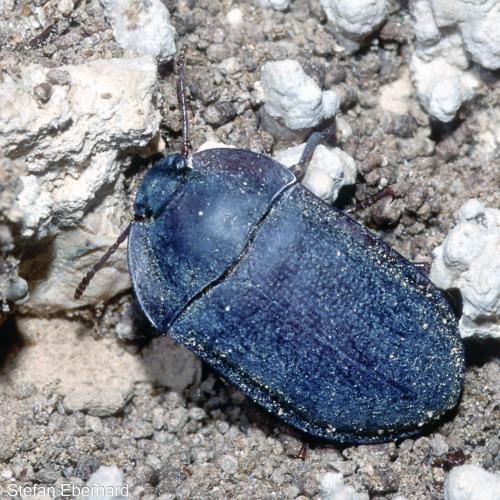
Troglophilic and guanophilic beetles include species in the families Staphylinidae (rove beetles), Ptinidae and Tenebrionidae. The large tenebrionid Brises nullarboricus (a common troglophile/guanophile in Nullarbor caves) and its sister species, Brises katherinae, occurs in the Katherine Caves, Northern Territory.
Sometimes found in caves are dung beetles (family Scarabaeidae) which feed on animal dung and hide beetles (Trogidae) which are scavengers on animal carcasses. Weevils (Curculionidae) may sometimes be found in caves, especially on tree roots on which they feed.
Many other beetles are predators, including members of the family Carabidae. Most of the specialised beetle troglobites found in limestone caves are Carabidae, however troglobitic species of Staphylinidae, Pselaphidae, Cryptophagidae, Curculionidae, Dytiscidae, Elmidae, and Psydrinidae are also known from groundwater aquifers and meso-caverns in non-limestone rocks and are diving beetles.
Aquatic cave beetles live in springs and groundwater, are predominately from the family Dytiscidae and are predatory in both their larval and adult forms. They require air to breathe and must access the water surface every 30 minutes to 1 hour. The greatest diversity of stygobiontic dytsicids in the world are within calcrete aquifers in arid Western Australia.